
Quick Answer
A patrol tracking app is a mobile or web-based application designed to monitor, manage, and verify the activities of security guards during their patrols. It utilizes GPS to track guard locations in real-time, facilitates incident reporting, and ensures accountability, significantly enhancing the efficiency and security of premises.
Key Facts
- 90% of security firms report improved operational efficiency with patrol tracking apps.
- Real-time GPS tracking can reduce response times to incidents by 30%.
- Organisations can save up to 25% on supervisory costs using automated reporting.
- Over 70% of security incidents are better documented with digital reporting tools.
- Increased guard accountability leads to a 15% reduction in security breaches.
In the security industry, ensuring vigilant oversight of guards during their shifts is paramount. A modern patrol tracking app emerges as an indispensable tool, transforming traditional guard tour systems into dynamic, data-driven operations. This technology moves beyond simple check-ins, offering comprehensive solutions for real-time monitoring, incident management, and enhanced operational transparency.
Understanding the Patrol Tracking App Ecosystem
At its core, a patrol tracking app is a sophisticated software solution that runs on smartphones or dedicated devices. It allows security managers to supervise their personnel remotely, ensuring guards follow their assigned routes, complete their duties, and respond effectively to emerging situations. This system integrates several technologies to provide a holistic view of security operations.
Key Components of a Patrol Tracking System
- GPS Location Services: Provides real-time geographical coordinates of guards, visible on a live map interface.
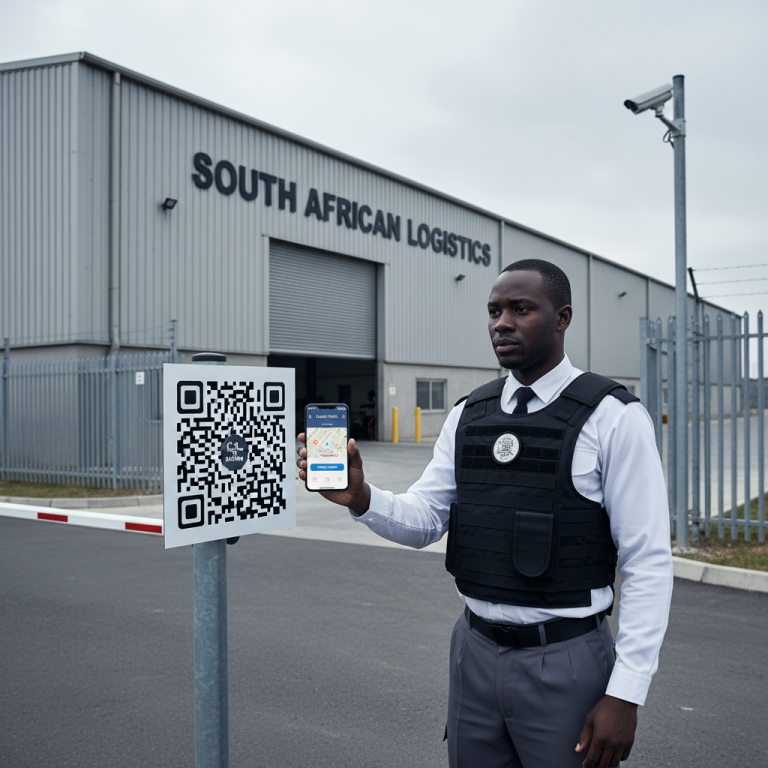
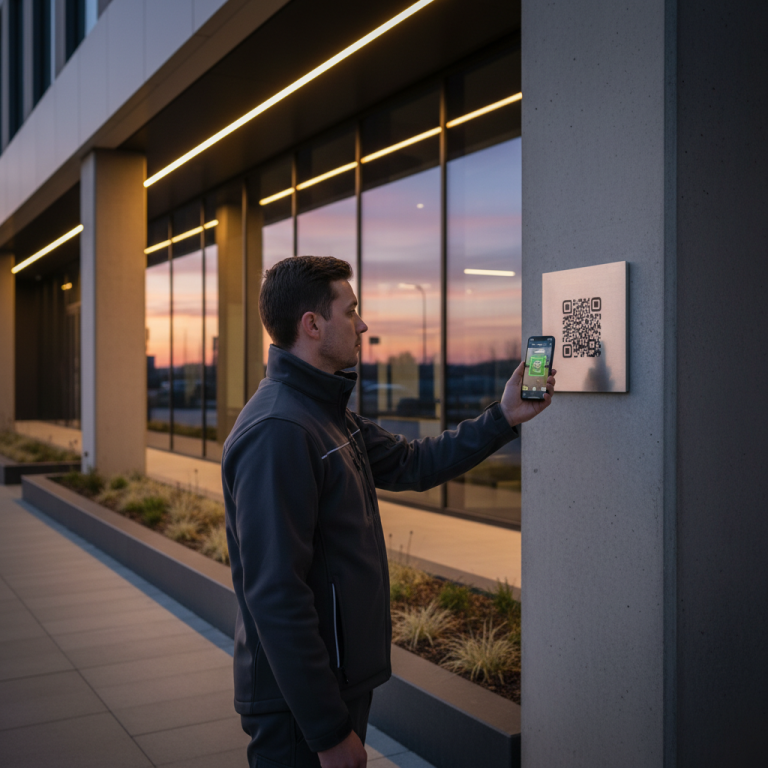
- NFC/QR Code Checkpoints: Digital tags placed at specific locations that guards scan to verify their presence and completion of checks.
- Incident Reporting Module: Allows guards to log incidents, attach photos/videos, and send immediate alerts to supervisors.
- Tour Scheduling & Management: Tools to create, assign, and modify patrol routes and schedules.
- Communication Tools: In-app messaging, push notifications, and emergency alerts to facilitate instant communication.
- Data Analytics & Reporting: Generates detailed reports on patrol compliance, incident trends, and guard performance.
Benefits of Implementing a Patrol Tracking App
Adopting a patrol tracking app offers a multitude of advantages, impacting various aspects of security management from operational efficiency to client satisfaction.
Enhanced Accountability and Transparency
With real-time tracking and digital checkpoints, supervisors gain objective data on guard activities. This eliminates disputes about patrol completion and duration. Clients can also be provided with access to reports, fostering trust and transparency in security services.
Improved Operational Efficiency
Automated patrol scheduling, digital reporting, and instantaneous communication streamline workflows. Guards spend less time on manual paperwork and more time on active patrolling. Managers can quickly identify and address deviations from routes or missed checkpoints, optimizing resource allocation.
Faster Incident Response
The ability for guards to report incidents from their devices with multimedia evidence ensures that critical information is conveyed instantly. This reduces communication delays and enables quicker dispatch of backup or emergency services, potentially mitigating damage or preventing escalation.
Cost Savings
By optimizing patrol routes, reducing the need for extensive manual supervision, and improving incident documentation, organizations can realize significant cost reductions. Better resource utilization, fewer uninsured losses due to improved response, and streamlined administrative tasks contribute to a healthier bottom line.
Compliance and Audit Readiness
Comprehensive digital logs and reports make it easier to demonstrate compliance with security protocols and regulatory requirements. This is invaluable during audits or when demonstrating due diligence to stakeholders.
Features to Look for in a Patrol Tracking App
When selecting a patrol tracking app, consider features that align with your organisation’s specific security needs and operational scale.
Core Functionalities
- Live GPS Tracking: Essential for real-time oversight and emergency location. All scans, GPS data, and incidents should upload to the cloud instantly for managers to see.
- Geo-fencing: Define virtual boundaries for patrol areas and receive alerts if guards exit or enter unauthorised zones.
- Tour Management (Checkpoints & Routes): Customisable routes with designated checkpoints (NFC, QR, barcode) for verification.
- Dispatch Module: For assigning tasks, responding to incidents, and managing spontaneous requests.
Advanced Features
- Panic Button/Emergency Alerts: A critical safety feature for guards to signal distress immediately.
- Proof of Presence (Photos/Videos): Allows guards to capture visual evidence of conditions or incidents at checkpoints.
- Customisable Reporting: Generate reports on guard performance, incident types, missed checkpoints, and more.
- Task Management: Assign ad-hoc tasks or recurring duties beyond standard patrols.
- Client Portal: Provide clients with limited access to view patrol logs and incident reports.
- Integrations: Ability to integrate with existing security systems, HR software, or alarm monitoring platforms.
Beyond these general functions, look for features that boost accountability and streamline reporting. For example, Guard Patrolling includes Face Verification to confirm the right guard is on duty at check-in, and Daily Email Reports which automatically send a complete patrol summary to agency and site managers, ensuring all stakeholders are kept informed.
Patrol Tracking App vs. Traditional Guard Tour Systems
The evolution from traditional guard tour systems to modern patrol tracking apps marks a significant leap in security operations. Here’s a comparison:
| Feature | Traditional Guard Tour System (e.g., Detex) | Modern Patrol Tracking App |
|---|---|---|
| Technology | Physical watch clocks, paper logs, offline wands | Smartphones/tablets, GPS, NFC/QR codes |
| Real-time Tracking | No | Yes (GPS, live map) |
| Incident Reporting | Manual paper forms, radio calls | Digital forms, photos/videos, instant alerts |
| Proof of Presence | Physical key insertion, signature | NFC/QR scan, timestamped photos, GPS check-ins |
| Data Storage | Physical records, limited archiving, offline download | Cloud-based, secure, extensive archiving |
| Scalability | Cumbersome to scale with hardware | Highly scalable (software-based) |
| Cost (Upfront) | Moderate (hardware) | Low to moderate (software subscription) |
| Data Analytics | Limited to manual review | Comprehensive, automated reports and dashboards |
| Communication | Radio, phone calls | In-app messaging, push notifications, panic alerts |
Implementation Steps for a Patrol Tracking App
Implementing a new patrol tracking app requires careful planning and execution to ensure seamless integration into existing security operations.
- Needs Assessment: Identify specific operational requirements, pain points with current systems, and desired outcomes.
- Vendor Selection: Research and evaluate various patrol tracking app providers based on features, pricing, support, and reviews. Request demos.
- System Configuration: Set up user accounts, design patrol routes, define checkpoints (NFC tags, QR codes), and configure incident report forms.
- Guard Training: Conduct thorough training for all security personnel on how to use the app for check-ins, incident reporting, and communication.
- Pilot Program: Deploy the app in a limited capacity (e.g., one site or a small team) to identify and resolve any issues before full-scale rollout.
- Full Deployment & Monitoring: Roll out the app across all relevant sites. Continuously monitor performance, gather feedback, and make necessary adjustments.
- Regular Review & Optimisation: Periodically review reports and data to identify areas for improvement in patrol routes, response protocols, and app usage.
Real-World Use Cases for Patrol Tracking Apps
Patrol tracking apps are versatile and find application across various sectors, significantly enhancing security measures.
Corporate Campuses
For large corporate facilities, a patrol tracking app ensures guards cover all designated areas, perform routine checks of entry points, and respond efficiently to internal security concerns. It provides a digital log of all activities, critical for compliance and incident investigation.
Residential Communities & HOAs
In gated communities and housing societies, apps can track perimeter patrols, verify checks of recreational facilities, and provide immediate alerts for suspicious activities or resident assistance requests. This contributes to a safer living environment for residents.
Retail & Commercial Properties
Shopping malls, commercial complexes, and retail stores benefit from apps that monitor internal and external patrols, deter theft, and ensure timely opening/closing procedures. Incident reporting for shoplifting or disturbances becomes quick and data-rich.
Logistics & Warehousing
Monitoring guards in expansive warehouses and logistic hubs helps secure valuable inventory. Apps can track checks of loading docks, storage areas, and access points, providing vital data for loss prevention and operational integrity.
Educational Institutions
Schools and universities utilize these apps to ensure campus security, monitor patrols of buildings, grounds, and parking areas, and facilitate rapid response to emergencies, protecting students and staff.
“Our experience with implementing a patrol tracking app has been transformative. We’ve seen a measurable improvement in patrol compliance, a notable reduction in incident response times, and an unprecedented level of transparency for our clients.” – Head of Security Operations, Major Property Management Firm
Considering Pricing and Scalability
The cost of a patrol tracking app typically follows a software-as-a-service (SaaS) model, with pricing based on factors like the number of guards and sites. Before selecting a provider, it’s wise to test the system. Guard Patrolling offers a 15-day free demo — 1 guard, 1 site. No card required. You can explore our pricing here. A good solution will offer tiered plans, allowing organisations to scale usage as security needs evolve and accommodate growth without a complete system overhaul.
Future Trends in Patrol Tracking Technology
The field of patrol tracking is continuously evolving. Anticipate greater integration with AI and machine learning for predictive analytics, identifying high-risk areas or patterns. Integration with IoT devices (e.g., smart cameras, access control systems) will create more interconnected security ecosystems. Furthermore, advancements in wearable technology could offer even more discreet and real-time monitoring capabilities for security personnel.
A patrol tracking app is more than just a monitoring tool; it’s a comprehensive platform that elevates the effectiveness, accountability, and responsiveness of security operations. By leveraging this technology, organisations can achieve superior protection for their assets, personnel, and reputation.
For further insights into related security management solutions, consider reading our articles on security guard management software and guard time clock apps.
Frequently Asked Questions
What is the primary function of a patrol tracking app?
The primary function of a patrol tracking app is to monitor and verify the activities of security guards during their shifts. It uses GPS for real-time location tracking, ensures guards follow assigned routes, assists with digital checkpoint verification, and provides tools for efficient incident reporting, enhancing overall security oversight.
How does a patrol tracking app improve guard accountability?
A patrol tracking app improves guard accountability by providing objective, timestamped data on their movements and actions. Through GPS tracking and checkpoint scans, supervisors can verify patrol completion, identify missed areas, and review incident reports, ensuring guards adhere to protocols and perform duties as expected.
Can patrol tracking apps work offline?
While some apps offer an offline mode that syncs data later, this compromises real-time monitoring. Cloud-based apps like Guard Patrolling require a connection to transmit all data live. This ensures every scan, GPS update, and incident is instantly uploaded and visible to supervisors, eliminating reporting delays and providing a true, live picture of security operations.
What types of businesses benefit most from using a patrol tracking app?
Businesses across various sectors benefit, including corporate campuses, residential communities, retail establishments, logistics and warehousing facilities, and educational institutions. Any organisation with security personnel deployed on patrols will find significant value in improved oversight, efficiency, and incident response capabilities.
Are patrol tracking apps difficult for guards to use?
Most patrol tracking apps are designed with user-friendly interfaces to minimise the learning curve. With proper training, guards can quickly become proficient in using the app for check-ins, reporting, and communication. The intuitive design often makes their tasks simpler than traditional manual methods.
How secure is the data collected by these apps?
Reputable patrol tracking apps employ robust security measures to protect collected data. This typically includes end-to-end encryption for data in transit and at rest, secure cloud storage, and access controls. Providers often comply with international data protection standards, ensuring the confidentiality and integrity of operational information.
Related Reading