Quick Answer
A guard patrol system in India provides a comprehensive solution for monitoring security personnel’s movements and activities across diverse sites. It leverages technology like QR codes, NFC, or GPS to track checkpoints, log incidents, and ensure accountability, significantly enhancing operational efficiency and the overall safety of assets and premises. This system allows real-time oversight, incident reporting, and data analysis for improved security management.
Key Facts
- Over 90% of Indian businesses prioritize physical security for asset protection.
- Real-time tracking capabilities reduce response times to incidents by an average of 30%.
- Automation of patrol tasks can save up to 25% in administrative overheads for security firms.
- QR code-based systems offer an affordable entry point for small to medium-sized enterprises.
- Integration with existing security infrastructure, such as CCTV, is crucial for 65% of large organizations.
A guard patrol system in India is a technology-driven solution designed to track, monitor, and manage the activities of security guards responsible for patrolling specific areas. It replaces traditional manual methods like paper logbooks with digital tools such as QR/NFC checkpoints, GPS tracking, and mobile apps, offering real-time visibility and improving accountability for security companies across the country.
Why Traditional Manual Patrolling Falls Short in India
For years, many security companies in India relied on manual systems: register books, occasional physical checks, and a lot of trust. While trust is good, it doesn’t scale or give you auditable data. We quickly realized a few things:
- Accountability Gaps: Without a clear, verifiable record, it’s hard to prove a guard was at a specific point at a specific time. If an incident happens, the blame game starts.
- Delayed Incident Reporting: Reporting an issue meant waiting until the end of a shift, or phoning someone. Precious time was lost.
- Supervisor Overload: Supervisors spent too much time physically verifying patrols instead of focusing on training, client relations, or strategic planning.
- Client Demands: Clients today want proof. They want to know their premises are genuinely secure, not just on paper. Manual systems don’t provide that transparent audit trail.
- Human Error: Paper registers can be misplaced, tampered with, or simply filled out incorrectly.
Key Components of a Modern Guard Patrol System
When we built guardpatrolling.com, we focused on what truly matters to security companies in the Indian context. Here’s what we consider essential:
1. QR/NFC Checkpoints
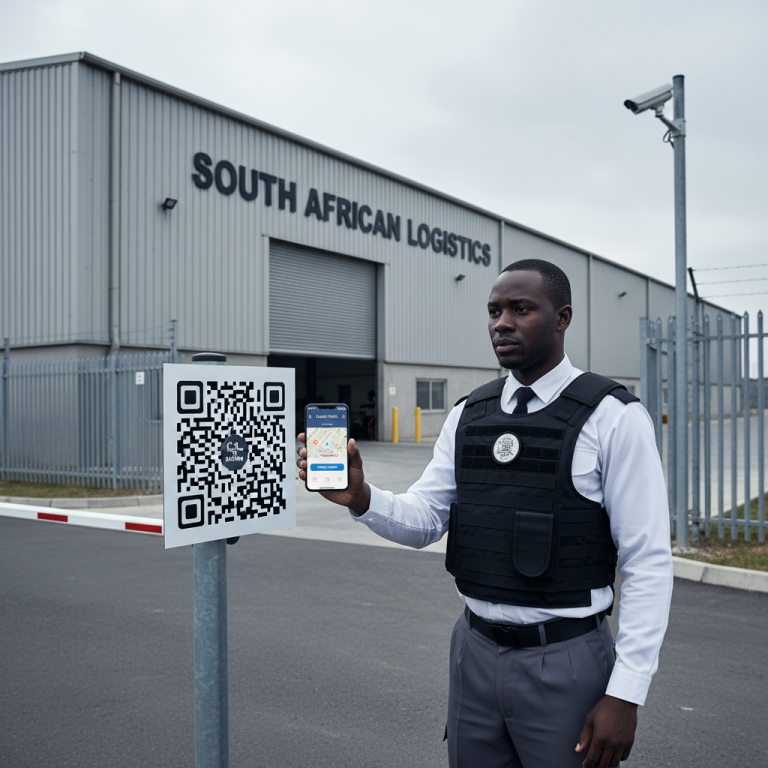
These are the backbone for accurate location verification. We deploy small, weather-resistant tags at strategic points on a patrol route.
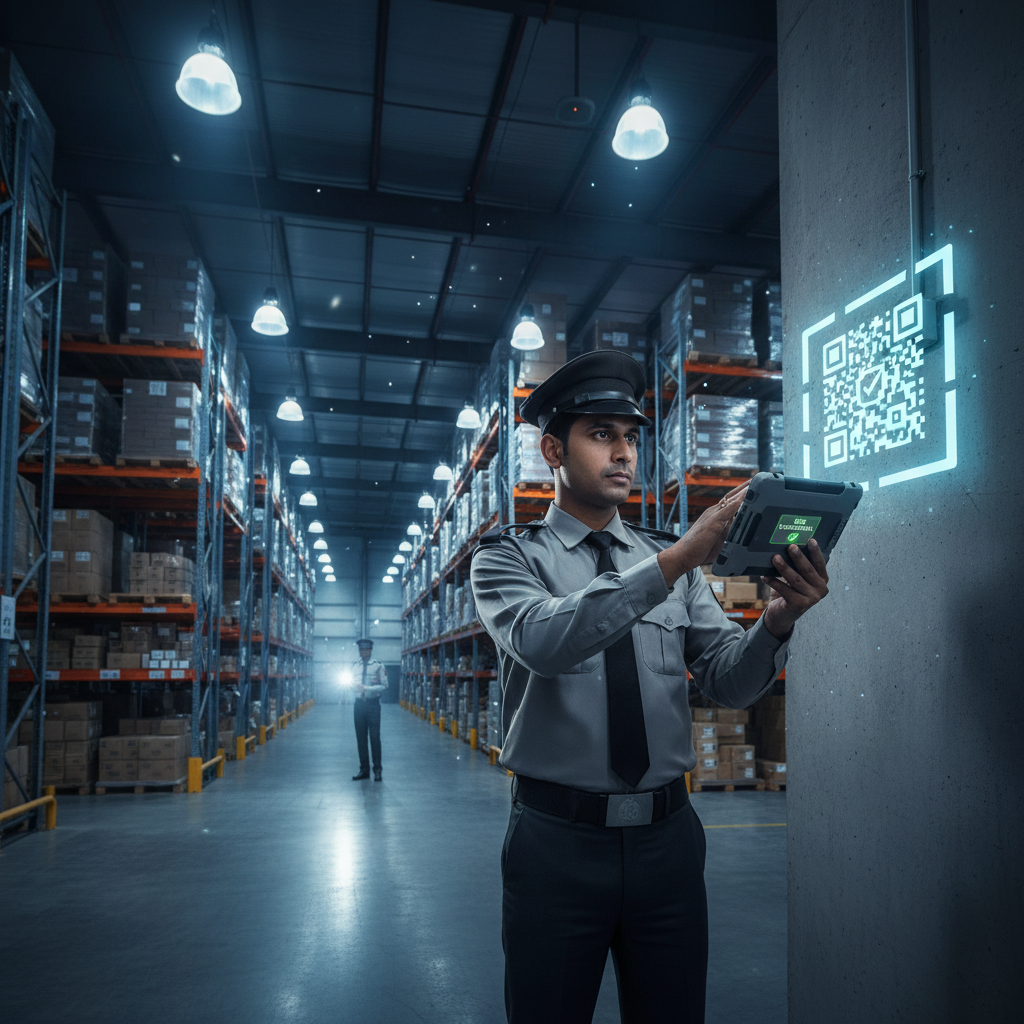
- How it works: Guards use their smartphone app to scan a QR code or tap an NFC tag. This immediately records their presence at that exact checkpoint, timestamped and location-stamped.
- Benefits: Eliminates guesswork, provides irrefutable proof of presence, and is very cost-effective to deploy even in large facilities.
2. Real-time GPS Tracking
Beyond checkpoints, knowing where your guards are at all times is invaluable.
- Active Tracking: Our system continuously tracks guard locations during their shift, visible on a live map for supervisors.
- Geofencing: Set virtual boundaries for patrol areas. If a guard exits these zones unexpectedly, alerts are triggered. This is especially useful for large industrial sites or distributed campuses.
- Route Adherence: Verify that guards are following their assigned routes, not taking shortcuts or deviating without authorization. Learn more about how this works with security guard tracking software.
3. Mobile App for Guards
The guard’s smartphone becomes their most powerful tool.
- Patrol Logging: Scan checkpoints, log activities, and report incidents directly from the app.
- Incident Reporting: Guards can instantly report anything unusual – a broken lock, suspicious activity, a power outage – with photos, videos, and detailed notes. This immediately alerts supervisors.
- Panic Button: A crucial safety feature. In an emergency, a guard can press a panic button in the app, sending immediate alerts with their location to predefined contacts.
- Offline Mode: Important for areas with patchy internet. Data is stored locally and uploaded once connectivity is restored.
4. Centralized Dashboard for Supervisors & Clients
This is where all the data comes together, offering full visibility.
- Live Monitoring: See all active guards on a map, their last scanned checkpoints, and any live incidents.
- Reporting & Analytics: Generate detailed reports on patrol completion, missed checkpoints, incident frequencies, and more. This data helps optimize routes and guard deployments.
- Alerts & Notifications: Get instant alerts for missed patrols, late starts, incidents, or SOS activations.
- Client Access: Optionally, provide secure client logins to a limited view of their site’s patrol data, boosting transparency and trust. You can explore these features in more detail on our features page.
Comparison: Guardpatrolling.com vs. Older Software & Manual Systems
When talking to security companies in India, we often see a mix of systems. Here’s how our modern approach stacks up:
| Feature | Guardpatrolling.com (Modern SaaS) | Older On-Premise Software | Manual System (Paper/Registers) |
|---|---|---|---|
| Deployment Time | Hours to days | Weeks to months | Immediate (but limited) |
| Cost Model | Subscription (monthly/annual) | High upfront license + maintenance | Low direct cost, high hidden cost |
| Scalability | Very easy with more licenses | Challenging, requires hardware upgrades | Poor |
| Real-time Data | Yes, live updates | Limited, often delayed sync | No |
| Maintenance & Updates | Handled by us (Included) | Requires IT staff or vendor visits (Extra cost) | None (but prone to error) |
| Accessibility | Web & Mobile (anywhere) | Limited to office network | Physical presence required |
| Incident Reporting | Instant, with media | Basic, text-only generally | Slow, unreliable |
Implementing a Guard Patrol System in Your Indian Security Company
It’s not just about buying software, it’s about a smooth transition. Our team usually guides clients through these steps:
- Needs Assessment: What are your current pain points? What kind of sites do you manage (residential, commercial, industrial)?
- Site Mapping & Checkpoint Placement: Identify strategic points for QR/NFC tags. We help you think about high-risk areas, entry/exit points, and areas requiring periodic checks.
- Guard Training: This is critical. Guards must be comfortable with the mobile app. We provide resources and support to make this easy.
- Supervisor Training: Empower your supervisors to use the dashboard effectively, generate reports, and respond to alerts.
- Phased Rollout: Often, we recommend starting with one or two sites, gathering feedback, and then expanding.
- Continuous Optimization: Use the data to refine patrol routes, adjust frequencies, and identify areas for improvement. This helps optimize your overall guard monitoring software usage.
Benefits We’ve Seen Our Clients Achieve
When our Indian clients switch to a digital guard patrol system, the most common feedback revolves around these core improvements:
- Increased Accountability: Guards know they are being monitored, leading to better adherence to duties.
- Faster Incident Response: Incidents are reported and addressed in minutes, not hours. This can be crucial in preventing larger losses.
- Improved Client Satisfaction: Transparent reporting builds trust. Clients appreciate seeing concrete evidence of patrols and security efforts.
- Operational Efficiency: Supervisors spend less time chasing data and more time managing their teams effectively. We have seen companies reduce supervisory overhead by 15-20% on average.
- Reduced Liabilities: A complete audit trail of patrols and incidents can be invaluable in legal disputes or insurance claims.
- Better Resource Allocation: Data highlights under-patrolled areas or overworked guards, allowing for smarter shift scheduling and resource deployment. This is a huge benefit for optimizing your overall best guard patrol system usage for your business.
Frequently Asked Questions
H3: Is a guard patrol system expensive for small security companies in India?
No, not necessarily. Modern SaaS guard patrol systems like ours are subscription-based, meaning you pay a monthly or annual fee based on the number of guards or features you need. This eliminates large upfront costs, making it accessible even for smaller operations. In the long run, the efficiency gains often outweigh the subscription cost.
H3: What if there is no internet connectivity at a patrol site?
This is a common concern in India. Our mobile app for guards includes an offline mode. Guards can continue scanning QR/NFC tags and logging incidents. All data is stored securely on the device and automatically uploads to the central dashboard once internet connectivity is restored, ensuring no data is lost.
H3: How difficult is it for guards to learn to use the mobile app?
We designed the guard app to be extremely user-friendly with a simple interface. Most guards, even those not highly tech-savvy, can learn the basics within a single training session. We also provide clear tutorials and support to help your team get comfortable quickly.
H3: Can I customize patrol routes and schedules for different clients or sites?
Absolutely. Our system allows for highly flexible configuration. You can create unique patrol routes, checkpoint sequences, and time schedules for each specific site or client. This ensures that the system adapts to your operational needs, not the other way around.
H3: What kind of support does guardpatrolling.com offer in India?
We provide comprehensive support through various channels, including email, phone, and even WhatsApp. Our dedicated team is available to assist with setup, training, and any technical issues you might encounter, ensuring smooth operations for your security business.
H3: How secure is the data collected by the guard patrol system?
Data security is paramount. We use industry-standard encryption protocols for data transmission and storage. Our servers are secure, and we implement strict access controls to protect your patrol data, ensuring confidentiality and integrity.
Implementing a modern guard patrol system in India isn’t just about technology; it’s about evolving your security operations for better accountability, faster response, and happier clients. We’ve seen firsthand how it transforms businesses, moving them from reactive to proactive security management. If you’re ready to explore how this can work for your company, we offer a free trial. Check out our pricing and features to see what suits your needs best. Let’s make your patrols smarter and your clients more secure.
At a Glance
| Feature | Basic | Pro | Enterprise |
|---|---|---|---|
| Check-in Methods | QR Code/NFC | QR Code/NFC, GPS | QR Code/NFC, GPS, Biometrics |
| Real-time Tracking | Limited | Yes | Yes, Advanced Mapping |
| Incident Reporting | Basic Text | Detailed Text + Photos | Detailed Text + Photos + Video |
| Reporting & Analytics | Standard Reports | Customizable Reports | Advanced AI-driven Analytics |
| 24/7 Support | Email Only | Email + Phone | Dedicated Account Manager |
Frequently Asked Questions
What is a guard patrol system and why is it important for businesses in India?
A guard patrol system is a technology-driven solution designed to monitor the activities and movements of security personnel. For businesses in India, it’s crucial for ensuring guards are performing their duties effectively, enhancing accountability, and providing real-time incident reporting, ultimately improving overall security.
How does a guard patrol system improve security guard accountability?
A guard patrol system improves accountability by using checkpoints (QR, NFC, GPS) to confirm a guard’s presence at specific locations at designated times. This creates an unalterable record of patrols, reducing missed rounds and ensuring adherence to security protocols.
What are the key features to look for in a guard patrol system in India?
When selecting a guard patrol system in India, look for features such as real-time tracking, NFC/QR code scanning, incident reporting, GPS capabilities, geofencing, cloud-based data storage, and comprehensive reporting tools. These ensure robust monitoring and management.
Can a guard patrol system integrate with other security technologies?
Yes, many modern guard patrol systems are designed to integrate with other security technologies like CCTV cameras, access control systems, and alarm systems. This integration creates a unified security platform, allowing for more cohesive monitoring and faster incident response.
What is the typical cost of a guard patrol system in India?
The cost of a guard patrol system in India varies widely based on features, scale, and provider. Basic systems might involve a one-time hardware cost plus a monthly subscription per guard, while advanced solutions with AI and extensive integrations will naturally have higher pricing models.
How can a QR code patrol system benefit security operations?
A QR code patrol system benefits security operations by providing a simple, cost-effective way to track guard movements. Guards scan QR codes at checkpoints, logging their presence with timestamps and locations, ensuring that all vital areas are routinely inspected without complex hardware.