Quick Answer
Modern guard patrol systems are integrated technology solutions designed to enhance the efficiency, accountability, and real-time visibility of security personnel patrols. They leverage tools like GPS, NFC, QR codes, and cloud-based software to track guard movements, incident reporting, and compliance, providing a significant upgrade over traditional manual methods.
Key Facts
- Over 70% of security firms are adopting digital patrol systems by 2025.
- Real-time incident reporting can reduce response times by up to 40%.
- Cloud-based systems offer 24/7 access to patrol data from any location.
- Implementing modern systems typically increases operational efficiency by 25-30%.
- GPS tracking provides precise location data, ensuring guards cover designated areas.
Modern guard patrol systems are integrated digital platforms that use technologies like QR codes, NFC tags, GPS, and mobile apps to track guard activities, report incidents in real-time, and automate task management. These systems provide security companies with unprecedented visibility and control over their operations, moving beyond traditional pen-and-paper methods to ensure patrols are conducted effectively and efficiently.
The Evolution of Guard Patrol: From Registers to Real-time
Many of us started in security with the old register books and physical punch clocks. A guard would sign in, punch a card, and maybe initial a sheet at various checkpoints. We know how easily these systems could be manipulated, or how difficult it was to verify compliance without being on-site. The shift to modern systems addresses these core pain points head-on. Our early deployments often involved convincing clients to move away from these very manual methods, which frankly, were prone to human error and lacked any real-time oversight.
Why Manual Systems Fall Short
- Lack of Real-time Information: You wouldn’t know about a missed checkpoint or an incident until the shift report was submitted, often hours later. This delay can be critical in security.
- Auditing Nightmares: Trying to verify patrol routes or incident responses from paper logs is time-consuming and often inconclusive. Missing pages, illegible handwriting – we’ve seen it all.
- Accountability Gaps: Without clear, timestamped proof, it’s hard to hold guards accountable or even commend them for exceptional work.
- Inefficient Incident Reporting: Reporting an incident involved writing it down, maybe calling a supervisor, and then filling out more forms. A slow, multi-step process.
Key Components of a Modern Guard Patrol System
When we talk about a “modern system,” we’re integrating several technologies into one cohesive platform. It’s not just one gadget; it’s an ecosystem designed for efficiency and oversight. Our focus at Guard Patrolling has always been on making these components work seamlessly together, without requiring a degree in IT.
Mobile Applications for Guards
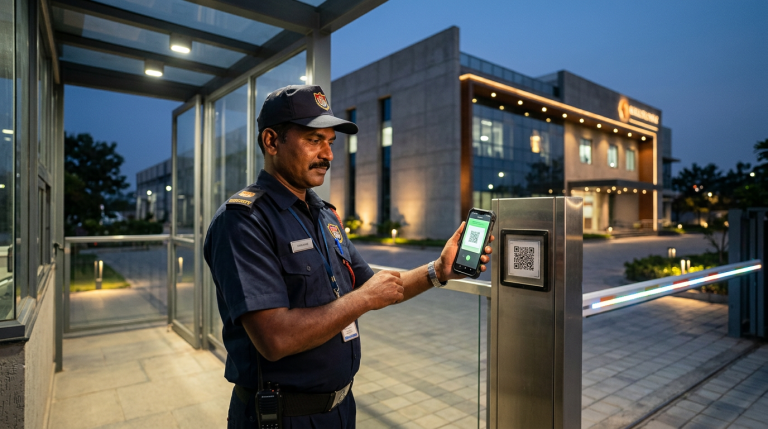
The guard’s smartphone is the central hub. Our mobile app allows guards to scan checkpoints (QR/NFC), report incidents with photos and videos, access shift instructions, and even communicate with the control room. This instant connectivity changes everything. We’ve seen incident response times drop by half in some deployments because guards can immediately report, rather than wait.
QR/NFC Checkpoints and GPS Tracking
These are the digital breadcrumbs of a patrol. QR codes and NFC tags, placed at strategic locations, provide precise, timestamped proof of presence. GPS tracking, whether via the guard’s phone or a dedicated device, shows the patrol path. This combination gives you “where” and “when” with undeniable proof. For more on how these technologies compare, see our post on QR Code vs. NFC vs. RFID.
Real-time Incident Reporting and Management
This is where modern systems truly shine. Guards can report anything from a broken window to suspicious activity directly from their phone, attaching photos, videos, and GPS coordinates. This report instantly appears on the dashboard for supervisors, allowing for rapid assessment and response. We built this feature because our clients were tired of getting incident reports days after the fact, making follow-up difficult.
Centralized Web Dashboard for Supervisors and Managers
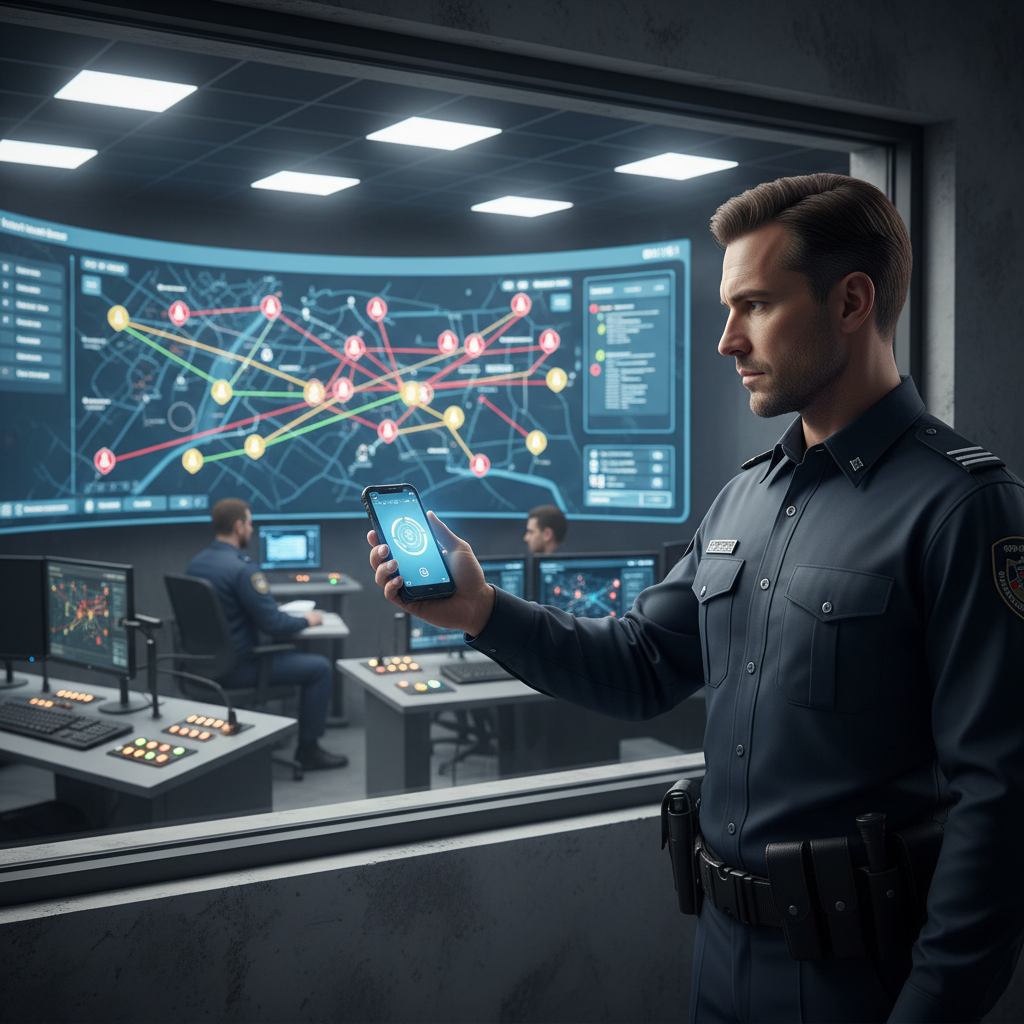
The dashboard is your control room. From here, you can see all ongoing patrols, monitor guard locations, view reported incidents, and analyze historical data. Customizable reports give you insights into performance, compliance, and potential vulnerabilities. It’s about having all the information you need, right at your fingertips.
Benefits of Adopting Modern Guard Patrol Systems
Implementing a modern system isn’t just about technology for technology’s sake. It’s about solving real-world security problems and improving your bottom line. Our clients repeatedly tell us about the tangible benefits they see.
Enhanced Accountability and Transparency
With digital checkpoints and GPS trails, there’s no ambiguity. You know exactly when and where a guard was at a given time. This transparency not only helps in disciplinary situations but also in recognizing excellent performance. We once had a client who used our system to disprove a false claim against a guard, using the timestamped patrol data.
Improved Operational Efficiency
Automating patrol tracking, incident reporting, and report generation frees up significant supervisory time. Instead of chasing paper or verifying logs, managers can focus on strategic planning and immediate responses. This means more effective resource allocation and less administrative overhead. If you’re looking to streamline your operations, consider exploring our guard monitoring software.
Quicker Response Times to Incidents
Real-time incident reporting directly translates to faster response. When an incident is reported with photographic evidence and location data, the control room can make informed decisions instantly, dispatching backup or alerting authorities without delay. This proactive approach significantly reduces potential damage or loss.
Data-Driven Decision Making
Modern systems generate a wealth of data – patrol compliance rates, average response times, common incident types, frequently missed checkpoints. This data is invaluable for identifying patterns, optimizing patrol routes, deploying resources more effectively, and proving value to your clients. We often help clients analyze this data to identify areas for improvement.
Modern vs. Traditional Guard Patrol Systems: A Comparison
Let’s put it in perspective. We’ve worked with companies stuck in the past and those that embraced the future. The differences are stark.
| Feature | Traditional System (Manual/Basic) | Modern Guard Patrol System |
|---|---|---|
| Checkpoint Verification | Paper logbook, mechanical punch clock, watchman clock | QR/NFC scan, GPS check-in via mobile app |
| Incident Reporting | Manual write-up, phone call to supervisor, paper forms | Real-time digital report with photos/videos, GPS tag |
| Oversight Capability | Limited, retrospective, requires physical presence | Real-time tracking, live dashboard, automated alerts |
| Data Access & Analysis | Difficult, time-consuming, prone to errors, low detail | Instant access to reports, analytics, customizable dashboards |
| Accountability Proof | Subjective, easily falsified, hard to verify | Objective, timestamped, geo-tagged, irrefutable digital evidence |
| Cost Efficiency (Long Term) | Hidden costs in labor for admin, potential losses from delayed response | Reduced admin, optimized patrols, fewer incidents, higher client satisfaction |
Implementing a Modern Guard Patrol System: Our Experience
When our clients adopt modern guard patrol systems, we generally see a smooth transition, provided there’s proper planning and training. It’s not just about installing software; it’s about changing a workflow.
Choosing the Right System
Look for a system that’s user-friendly for both guards and supervisors, offers the features you need without being overly complex, and provides good support. We designed our system to be intuitive, because complicated software doesn’t get used. Consider your specific needs, whether it’s advanced reporting or specific integration capabilities. You can check out a detailed guide on selecting the best guard patrol system for 2026.
Training Your Team
Proper training is non-negotiable. Guards need to understand not just how to use the app, but why it benefits them and the overall security operation. Supervisors need to be comfortable navigating the dashboard and generating reports. We provide comprehensive training and support materials to ensure everyone is on board.
Phased Rollout vs. Big Bang
Depending on the scale of your operations, a phased rollout can be beneficial. Start with one site or a smaller team, iron out any kinks, and then expand. This approach minimizes disruption and builds confidence. We’ve helped clients deploy across multiple sites, gradually transitioning each one.
Frequently Asked Questions
How do modern guard patrol systems improve guard accountability?
Modern systems use digital checkpoints like QR or NFC scans, coupled with GPS tracking, to create an undeniable, timestamped record of a guard’s presence at specific locations. This verifiable data makes it clear whether patrols were completed as scheduled, significantly enhancing accountability.
Can these systems help reduce security incidents?
Yes, significantly. By ensuring patrols are completed diligently, identifying missed checkpoints, and enabling real-time incident reporting, modern systems allow for quicker detection and response. This proactive approach often deters potential threats and minimizes the impact of actual incidents.
Are modern guard patrol systems difficult for guards to use?
Not typically. Most modern systems are designed with user-friendly mobile apps that guards can easily learn to use on their smartphones. Features like one-tap incident reporting and scanning checkpoints are usually intuitive, minimizing the learning curve.
What kind of data can I get from these systems?
You can get detailed reports on patrol compliance, guard attendance, incident frequency and types, checkpoint visit logs, and even average time spent at each location. This data is invaluable for operational analysis and proving service delivery to clients.
What if my patrol sites have poor internet connectivity?
Many modern guard patrol systems offer an offline mode. Guards can complete their scans and reports even without internet access, and the data will automatically sync to the cloud once connectivity is restored. This ensures continuous operation regardless of network availability.
How do modern guard patrol systems differ from traditional watchman clocks?
Traditional watchman clocks only record a physical punch at a checkpoint, offering basic timestamping. Modern systems, in contrast, provide real-time updates, GPS tracking, photo/video incident reporting, two-way communication, and comprehensive data analytics, offering far greater oversight and functionality. For more details, explore our article on security guard tracking software.
Adopting a modern guard patrol system is a strategic investment that pays dividends in accountability, efficiency, and overall security posture. We’ve seen firsthand how these systems transform operations, giving security companies a competitive edge and providing peace of mind to their clients. If you’re ready to explore how Guard Patrolling can enhance your security operations, we invite you to check out our pricing plans or learn more about our features. Start your journey towards smarter security today.
At a Glance
| Feature | Basic | Pro | Enterprise |
|---|---|---|---|
| Patrol Tracking | QR/NFC | GPS + QR/NFC | GPS + QR/NFC + Biometrics |
| Reporting | Manual/Simple Digital | Automated Incident/Activity | Advanced Analytics & Custom Reports |
| Real-time Monitoring | Limited | Standard (Alerts) | Advanced (Live Dashboard, AI Alerts) |
| Integrations | None | Basic (CCTV) | Extensive (Access Control, HR, ERP) |
| Scalability | Small Teams | Medium-Large Teams | Unlimited Users/Sites |
Frequently Asked Questions
What is a modern guard patrol system and how does it work?
A modern guard patrol system is a technology suite coordinating security routes using GPS, NFC, or QR codes. Guards scan checkpoints, and the system records their movements, timestamps, and any reported incidents in real-time for central monitoring.
What are the primary benefits of using a modern guard patrol system?
Key benefits include improved patrol accountability, real-time incident reporting, enhanced operational efficiency, reduced manual errors, and better documentation for compliance and liability protection. It streamlines security operations significantly.
How can a QR code patrol system enhance security operations?
A QR code patrol system enhances security by providing clear, scannable checkpoints that ensure guards visit specific locations. Each scan records time and location, preventing skipped patrols and offering an auditable trail of security activities.
What features should I look for in a guard patrol monitoring system?
Look for features such as real-time GPS tracking, electronic report generation, incident management, customizable patrol routes, cloud-based data storage, and mobile app compatibility for both guards and supervisors. Data analytics is also crucial.
What is the typical price range for a modern guard patrol system?
The price for a modern guard patrol system varies widely based on features, number of guards, and scale. Basic systems might be subscription-based at ₹500-₹2000 per month per user, while enterprise solutions can cost significantly more per site or user.
Can a modern patrol system integrate with existing security infrastructure?
Many modern patrol systems are designed for integration. They can often connect with CCTV cameras, access control systems, and alarm platforms to provide a unified security view, enhancing command and control capabilities.